Sweet Pea – A BookHouseReads Review
We may earn money or products from the companies mentioned in this review or post, but all opinions are our own.
I received Sweet Pea as an advance reader copy through NetGalley, and from the very beginning, I was drawn in by the description — especially of Paulette herself. She was hungry with hope, for the love and future she kept dreaming up each time Denton swaggered into town. There was something in their love affair that hinted at longing, misjudgment, and growth. I love stories that explore the gap between who we thought we were and who we actually become.
And Sweet Pea does exactly that.
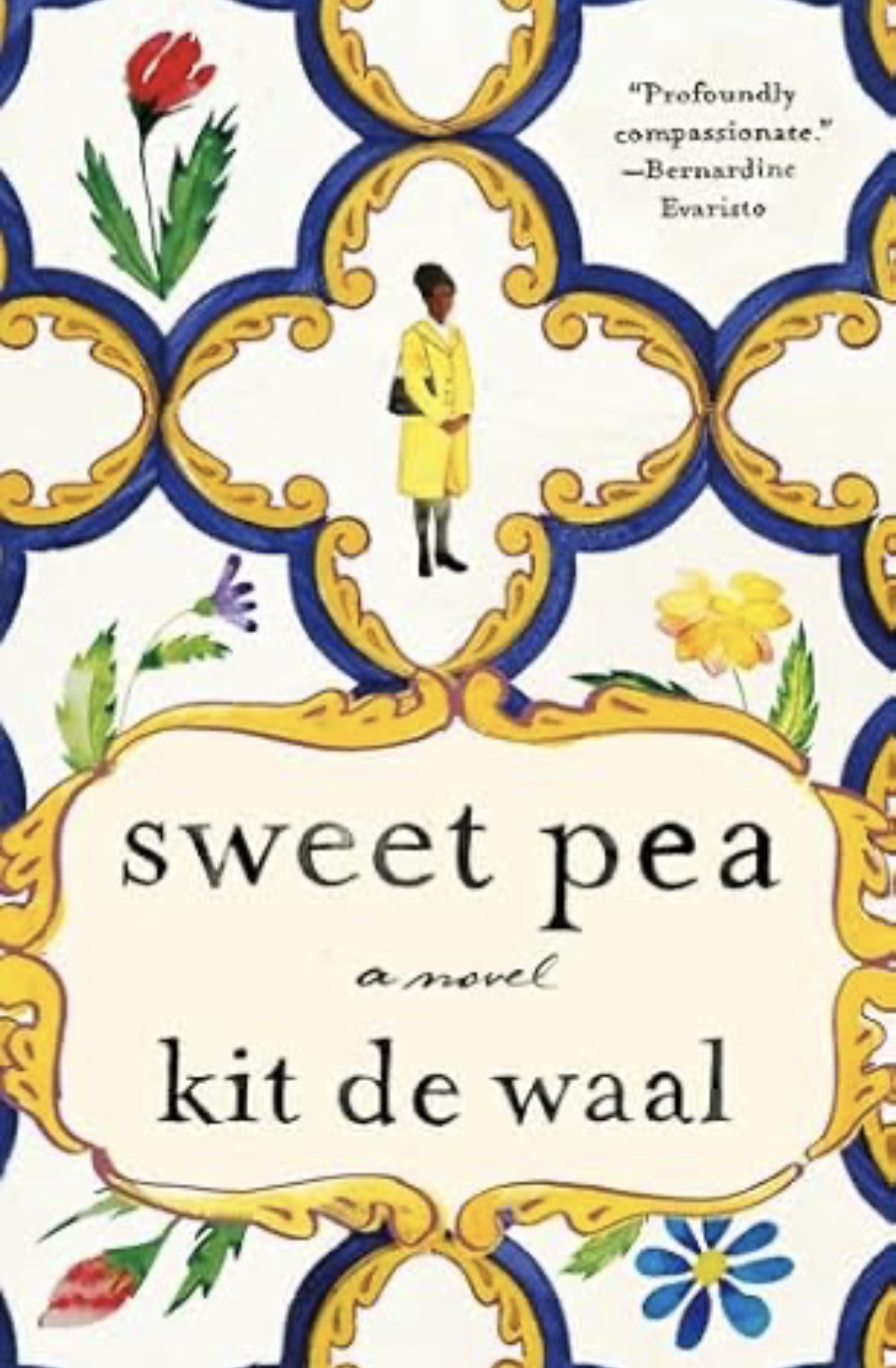
Paulette is a young Black woman in Europe whose life quietly fractures after a tragic accident reveals that her unrealized fiancé was not who she believed him to be. What follows isn’t dramatic in a flashy way — it’s ordinary life. But it’s the kind of ordinary life that slowly exposes our illusions, our pride, our tenderness, and our blind spots.
What struck me most after finishing the book was this: food builds more than human bodies. Food builds connections. Shared meals bridge wounds. Cooking for others nourishes belonging.
Kit De Waal weaves food throughout the story in such a thoughtful way. Meals become markers of time. Recipes carry memory. The table becomes a meeting place where cultural and social differences soften. Food is the quiet thread stitching together moments of heartbreak, growth, and reconciliation. It felt deeply human.
“I love stories that explore the gap between who we thought we were and who we actually become!”
Kit De Waal weaves food throughout the story in such a thoughtful way. Meals become markers of time. Recipes carry memory. The table becomes a meeting place where cultural and social differences soften. Food is the quiet thread stitching together moments of heartbreak, growth, and reconciliation. It felt deeply human.
Themes That Stayed With Me
One of the strongest themes in Sweet Pea is the contrast between youthful passion and mature understanding. When we’re young, we often define good and bad too narrowly. We cling tightly to our expectations. Paulette does this — and she pays the price for it. What I appreciated so much is that De Waal allows Paulette to be wrong. She lets her be hopeful, misguided, loving, proud, vulnerable — sometimes all at once.
Another theme that resonated deeply with me was family — especially the idea that the family we expect and the family we receive are often very different things. As Paulette grows, she learns to see people more clearly. She learns to love beyond blood. And in doing so, she discovers that chosen connection can be just as powerful — sometimes more so — than what we’re born into.
I was also challenged by the socioeconomic contrasts in the book. Watching two teenage boys in the same school experience completely different realities reminded me how deeply background and circumstance shape opportunity. It’s easy to forget how profoundly our environment influences us — and how compassion requires that we remember it.
The Characters That Lingered
Birdie stayed with me long after I turned the final page. He is a teenage boy in desperate need of kindness and stability, yet he responds in ways that hurt Paulette deeply. He’s frustrating. Tender. Complicated. Real.
And perhaps that’s what made him unforgettable.
One of my favorite moments in the story was when Birdie’s family came to Paulette’s aid when she needed them most. It was a quiet but powerful reminder that when we pour into others, it is never wasted — even if we don’t immediately see the fruit of it.
There were small frustrations too. Birdie’s grandfather felt slightly underdeveloped. I found myself curious about him, wanting more. But at the same time, I didn’t mind that he remained in the background. He wasn’t the heart of the story. Paulette was.
The Writing Itself
Kit De Waal’s pacing is fantastic. The characters feel crisp and distinct without being exaggerated. Her writing is refreshingly clear — not cliché, not overly indulgent in description, yet rich with a strong sense of time and place. I especially appreciated how she avoided unnecessary detail while still giving each scene weight.
The story has a memoir-like quality that made it feel intimate and grounded. I love ordinary-life fiction when it’s done well, and this absolutely was.
My Final Takeaway
If I had to sum up my experience in one sentence, it would be this:
Food is a powerful tool to nourish the people we love.
But perhaps even more than that, Sweet Pea reminded me that loving someone — especially a child who is not born of your flesh — is both costly and transformative. Paulette’s struggle to commit to raising and loving a teenage boy challenged me in quiet ways.
I would absolutely recommend this book to readers who appreciate stories of growth, personal generosity, flawed characters, and hopeful love. It’s especially meaningful for anyone willing to explore lives and experiences that don’t mirror their own.
And that’s ultimately what I hope you feel when reading this review — inspired to step into stories beyond your own experience. Because we grow when we do.